


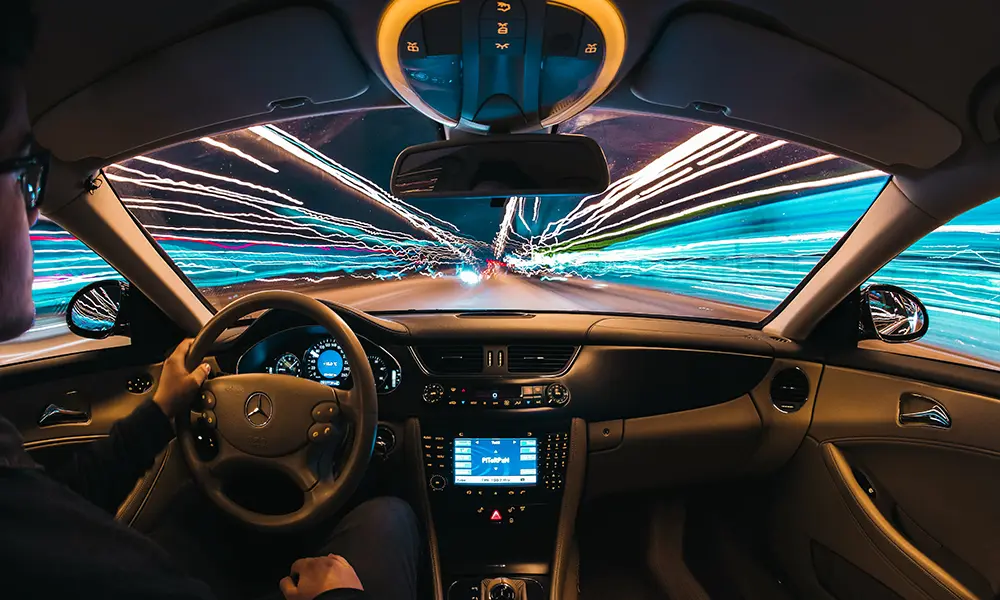
In an effort to address the growing challenges of urban mobility, cities around the world are adopting smart technologies to transform the way citizens navigate their metropolises.
This innovative approach to urban transportation seeks to enhance efficiency, reduce congestion, and promote sustainability.
Smart cities are implementing a variety of technological solutions to revolutionize mobility. From enhanced public transportation systems to shared mobility platforms and autonomous vehicle networks, these initiatives aim not only to facilitate travel but also to create more livable urban environments.
At the heart of these transformations are advances in connectivity and data collection. The integration of sensors, cameras, and Internet of Things (IoT) technologies allows cities to monitor traffic flow, predict mobility patterns, and optimize public transportation routes.
Shared mobility and connected public transportation
Shared mobility apps have become a fundamental element of smart cities. Platforms offering shared bike and scooter services, along with shared transportation options, enable citizens to easily access more sustainable mobility alternatives.
Simultaneously, public transportation is undergoing a digital revolution. Contactless payment systems, real-time information, and apps integrating different modes of public transportation facilitate trip planning and enhance the user experience.
Autonomous vehicles on urban streets
Smart cities are actively exploring the implementation of autonomous vehicles to improve road safety and traffic efficiency. Autonomous vehicles promise to reduce congestion, optimize road space utilization, and enhance accessibility for individuals with reduced mobility.
Challenges and opportunities
Despite the advancements, smart cities face significant challenges. Cybersecurity, data privacy, and effective integration of new technologies are critical aspects that require ongoing attention. Additionally, it is essential to ensure that these innovations benefit all urban communities and do not create disparities in access.
Smart cities are leading the way toward a future of more efficient, sustainable, and community-focused mobility. As these initiatives evolve, urban transportation is expected to continue improving, providing citizens with smoother travel experiences and contributing to the development of more livable cities.


